
Sleeping with herbs
Insomnia.
The title of a brilliant Faithless track. God bless Maxi Jazz - rest his soul.
But it’s also a word that can send shivers down the spine of anyone who's ever experienced it.
Sleep deprivation impacts our immune system, cognitive functioning, whilst good sleep is protective against many chronic diseases, both mental and physcial.
Healthy sleep is key for our wellbeing.
For neurodivergent people, though, sleep isn't always an easy concept.
We are anywhere between 25 and 80% more likely to struggle with sleep disorders or sleep-related conditions in some way if we are neurodivergent.
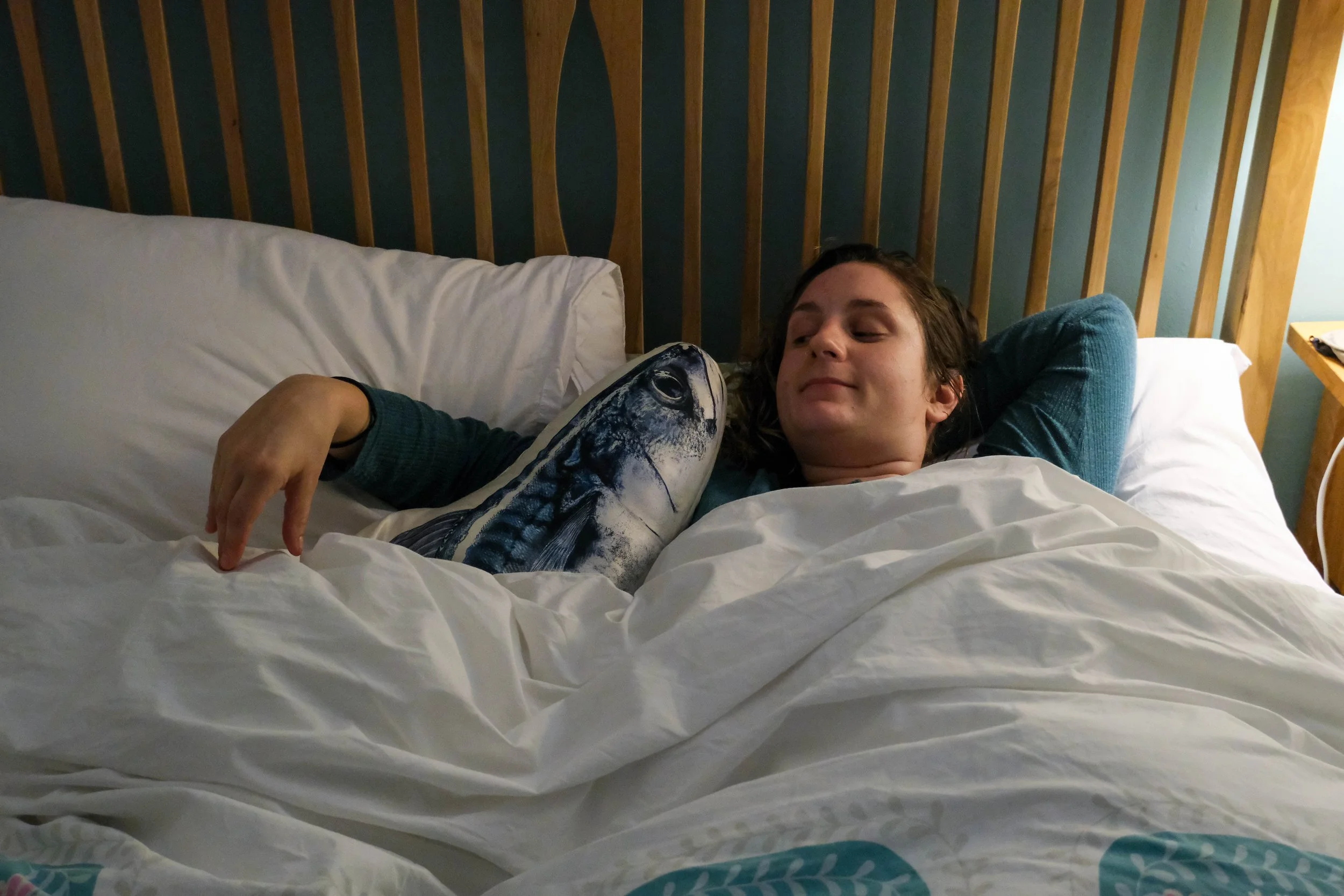
Me, in bed, with my friendly Mackerel cushion.
80%. It surprised me that it could be that high.
Couple this with a cultural narrative that places blame on the individual for having poor sleep and/or chronic health conditions, and shames us if we're getting less than our 8 hours, whilst simultaneously promoting a paradoxical grind culture under late-stage capitalism?
We really can't win, it seems.
Whilst some people hit the pillow and are asleep within seconds, some of us need a very specific set of circumstances in order to hit the hay in a way that feels peaceful, gentle and sustained. Lately, I've been experiencing some early perimenopausal symptoms, one of them, unhappily, is a body clock that seems to get later and later with every day, making sleep a nightly boxing ring of tricks, tips and strategies to convince my hyperactive brain and body that it's time to rest.
Sleep disturbances are common and often chronic in people living with neurodivergence. They are co-occurring conditions.
And they can show up in different ways.
I see this all the time in my clinic, with neurodivergent folks and neurotypical people.
The most common sleep issues I see are:
Trouble getting to sleep due to grief, anxiety or stress
Staying up late reading or watching screens, then waking late and feeling groggy the next day
Waking early due to anxiety or stress
Late night screen use impeding the circadian rhythm and decreasing sleep desire and onset
Technology addiction overstimulating the brain through blue light exposure and brain-stimulating content
Lately, I've been down a rabbit hole of research.
I’ve explored various types of sleep disruption and insomnia, and found herbal solutions. I've shared them below.
If you're neurodivergent, and struggling with sleep, I hope that this makes you feel less alone in your challenges, and offers some practical tools to try.
Healthy sleep management doesn't just involve herbs - some daytime practices can be instrumental in making improvements that last through the nighttime.
If you'd like tailored support, you can book a free consultation with me to find out how I can help with sleep, digestion, hormones, fertility, mental health, energy, focus, mood and more.
Otherwise, scroll down to learn about herbs that might help.
For the anxious ruminator
This is the person whose thoughts are always busy, the person who makes mental lists they can't put down, who may be worried about a specific situation, or ruminates as soon as they lie down to sleep and can't drift off. Believe it or not, daytime treatments can be just as effective as sleep remedies for this person.
Some things me and my patients have found helpful:
Dimming the lights 30mins before bed
Putting on a softly spoken podcast or audiobook on to help them drift off
Sunset lamp to support the brain's natural clock
Writing down a list of worries and thoughts before bed to "clear the air"
Herbal medicines
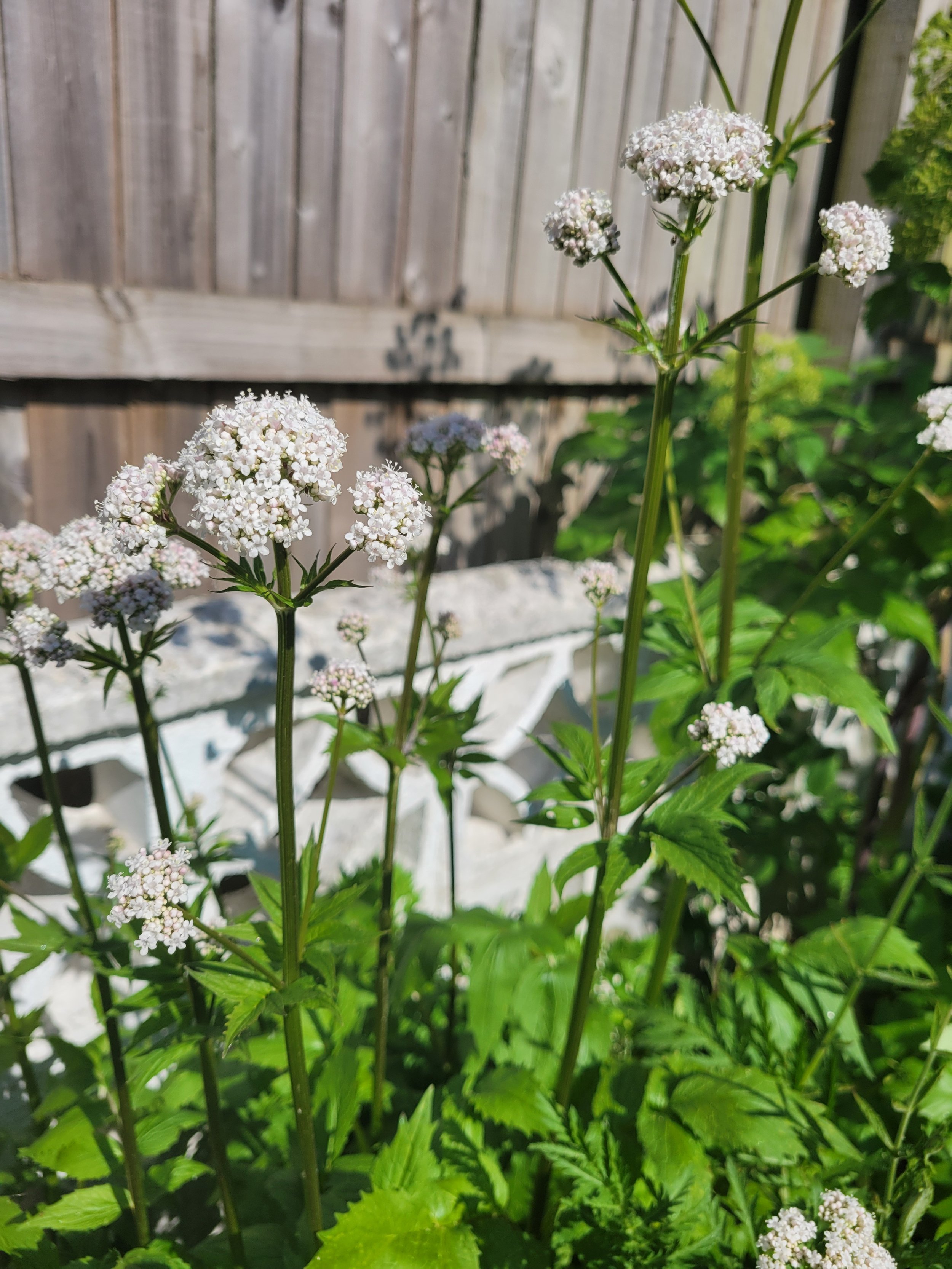
Valerian, in my garden, Bristol 2025.
Valerian (Valeriana officinalis)
Valerian immediately springs to mind here. A relaxing sedative, easing tension in both the musculoskeletal and nervous systems, it has a long history of use as a sleep aid. Approximately 1/10 people may find Valerian paradoxically stimulating, so try a little first and see how you go.
Passionflower (Passiflora incarnata)
Passionflower is a herb beloved by many herbalists for its effect on improving sleep. Particularly useful for ADHDers, it has shown promise in improving sleep quality in clinical trials with patients with ADHD, since it works on our GABA receptors (responsible for putting us into our 'rest and digest' mode)
For the burned-out yet wired waker-up
This one I know all too well. I went through a period of a few years where I lived a highly intense lifestyle, but thought it was normal. I cycled miles and miles to work and back each day, went to the gym or out on top of that because I hated my job and wanted to make up for lost time, and basially burned the candle at both ends (and a secret third end that I didn't know about before).
I was undiagnosed with ADHD at the time, "tired and wired" - couldn't sleep through the night, achingly exhausted but there was absolutely no way my body was letting me sleep. I wish I'd known about these two delightful remedies. Oh, and I also wish I'd left my sooner!
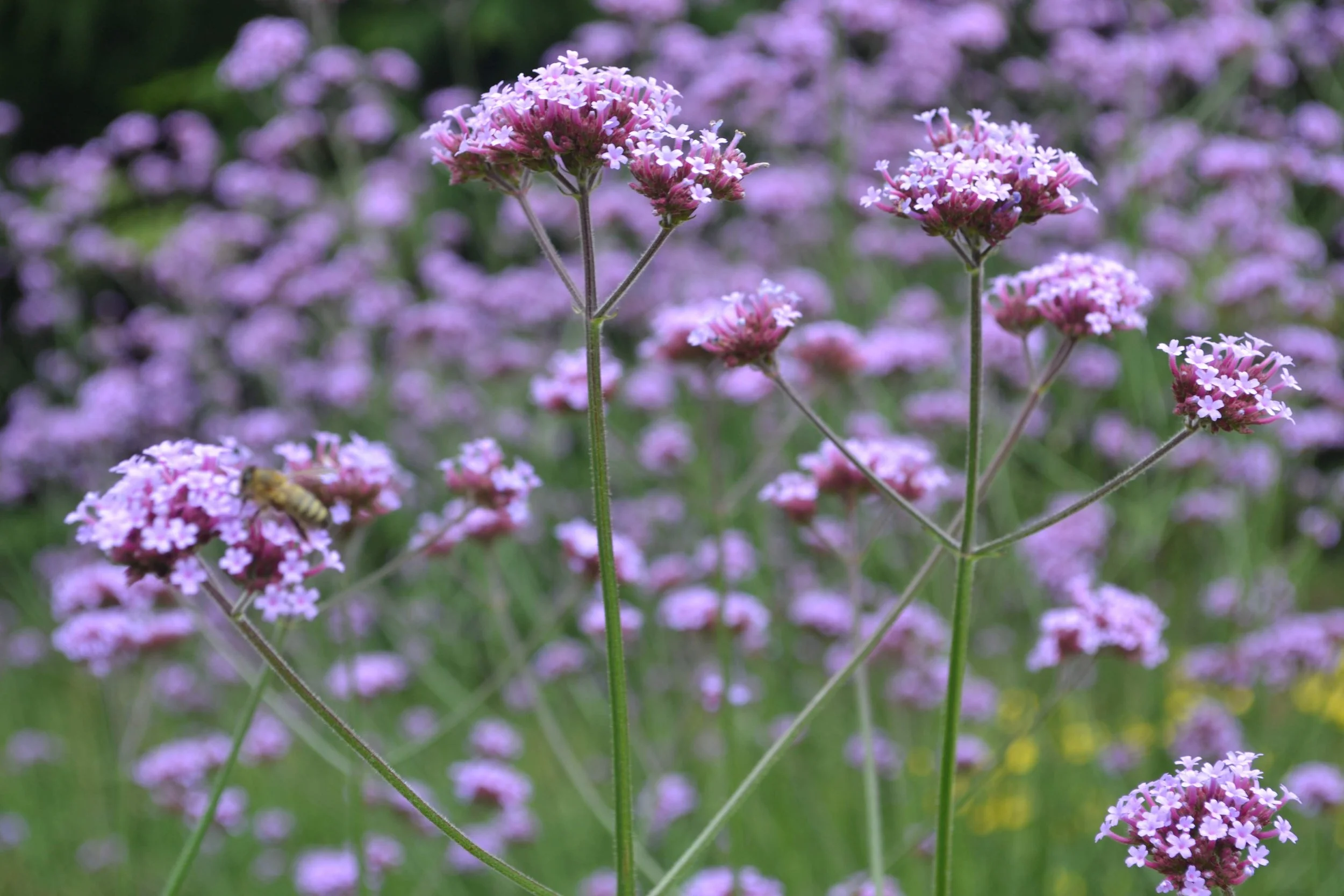
Verbena bonariensis (I couldn’t find a photo of officinalis on my phone!)
Milky oats (Avena sativa)
A truly nourishing tonic for the depleted, the worn out, and the burned out. Milky oats are useful and nourishing for restoring the nervous system. I primarily use oats with those patients affected by exhaustion, burnout and fatigue. So go eat some porridge or make that oatstraw tea.
Verbena (Verbena officinalis)
Verbena, or vervain, is a gentle yet bitter remedy, deeply restorative with antispasmodic and relaxant effects on the nervous system. It's non-drowsy, so can be taken daily to promote calm, and allow peaceful onset of sleep later in the night by 'opening up the channels' for sleep to come - rather than heavily sedating.
For the early riser
Waking up early can be a boon for some people.
Those folks who spring out of bed and off to the gym, getting their to-do list done before 6am? I don't believe those people really exist...!
NSDR or Yoga Nidra
If you wake early and can't get back to sleep, there are practices like NSDR or yoga nidra available on free meditation apps. A friend and fellow herbalist recommended them to me when I couldn't sleep for a while, and they have been a lifesaver for me. They help guide your body to enter a state of deep rest, without the pressure and frustration of sitting awake feeling tired whilst everyone else snores around you. Give them a try.
If you want to add in some herbs, here are a couple of my go- tos. They are also brilliant in cases of overwhelm.

A visit to Norfolk Lavender Farm, 2018
Lavender (Lavandula angustifolia)
As an aromatherapist, this one I have a real soft spot for. I use the essential oil with my patients.
All you need to do is pop a few drops on a tissue and put it under your pillow case before bed. Lavender has been shown to improve both sleep quality and duration in clinical trials.
Skullcap (Scutellaria lateriflora)
Both sedative and anxiolytic, this herb is a staple in most herbalist's dispensaries. In a placebo-controlled clinical trial, Skullcap was shown to improve total sleep time for people with primary insomnia (amongst other metrics) indicating that it could be a useful remedy for addressing poor sleep.
For the chronically tired and stressed
This one comes with a few caveats.
The root of the chronic stress is ideally addressed first, before offering herbal medicines that help one cope with stress.
Questions I'd ask:
What spaces for rest can be created in the day?
Can we create a gentle morning ritual to ease someone into their day?
Can we use mindful attention and acknowledgement of their fatigue, pacing tasks and activities according to energy levels?
The idea here is not to make people simply more able to endure stress but to support them, nourish their nervous systems, and replenish energy stores through good sleep. Oats would be a great addition to this list.
For those with chronic fatigue or ME, then I might look to use pacing, rest, and gentle tonic herbs rather than lots of adaptogens. I'll write another piece about that, as it deserves its own post.
Ashwagandha (Withania somnifera)
Gently nourishing and adaptogenic (helping the body to adapt to stressors), Ashwagandha has a particular affinity for the nervous system, specifically sleep.
It is useful when supporting people recovering from burnout or who have undergone prolonged periods of stress. Those who wake feeling unrestored by sleep spring to mind here. If you're sleep deprived, as we've seen above, your immune system and other body systems are more likely to be under increased stress or less than optimal functioning - Ashwagandha supports the body by improving glutathione recovery, which is key to cellular rejuvenation (and feeling less tired).
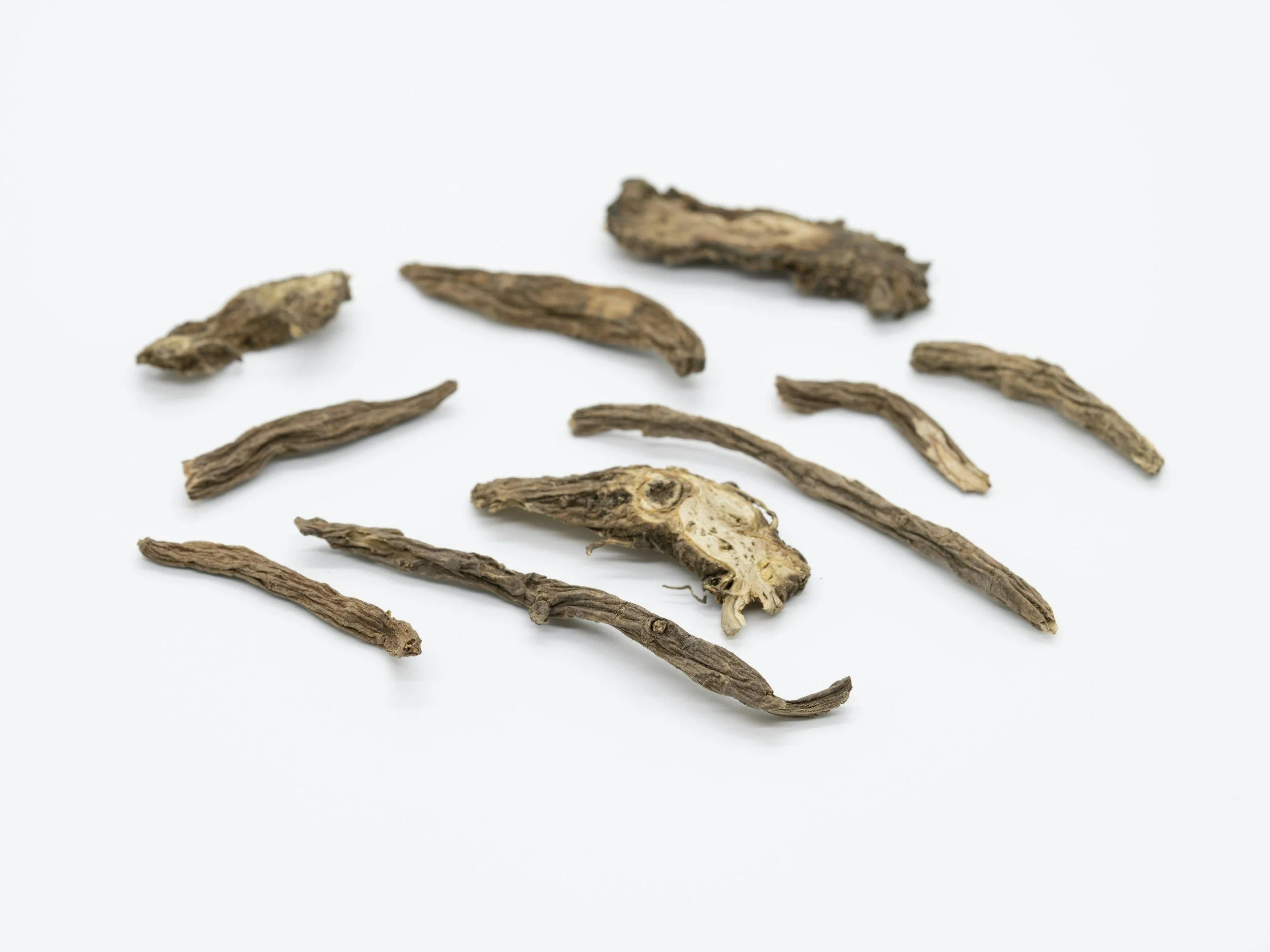
Liquorice root, stock image
Liquorice (Glycyrrhiza glabra)
Not the sweet, but the root of a sweet plant in the pea family, liquorice is another adaptogen.
It’s known for its ability to moderate the stress response and protect the body from the effects of chronically high stress hormones like cortisol. Because of this it can support immune function which is impacted by sleep deprivation, and provide a welcome hand in recovery from periods of fatigue.
One for the road
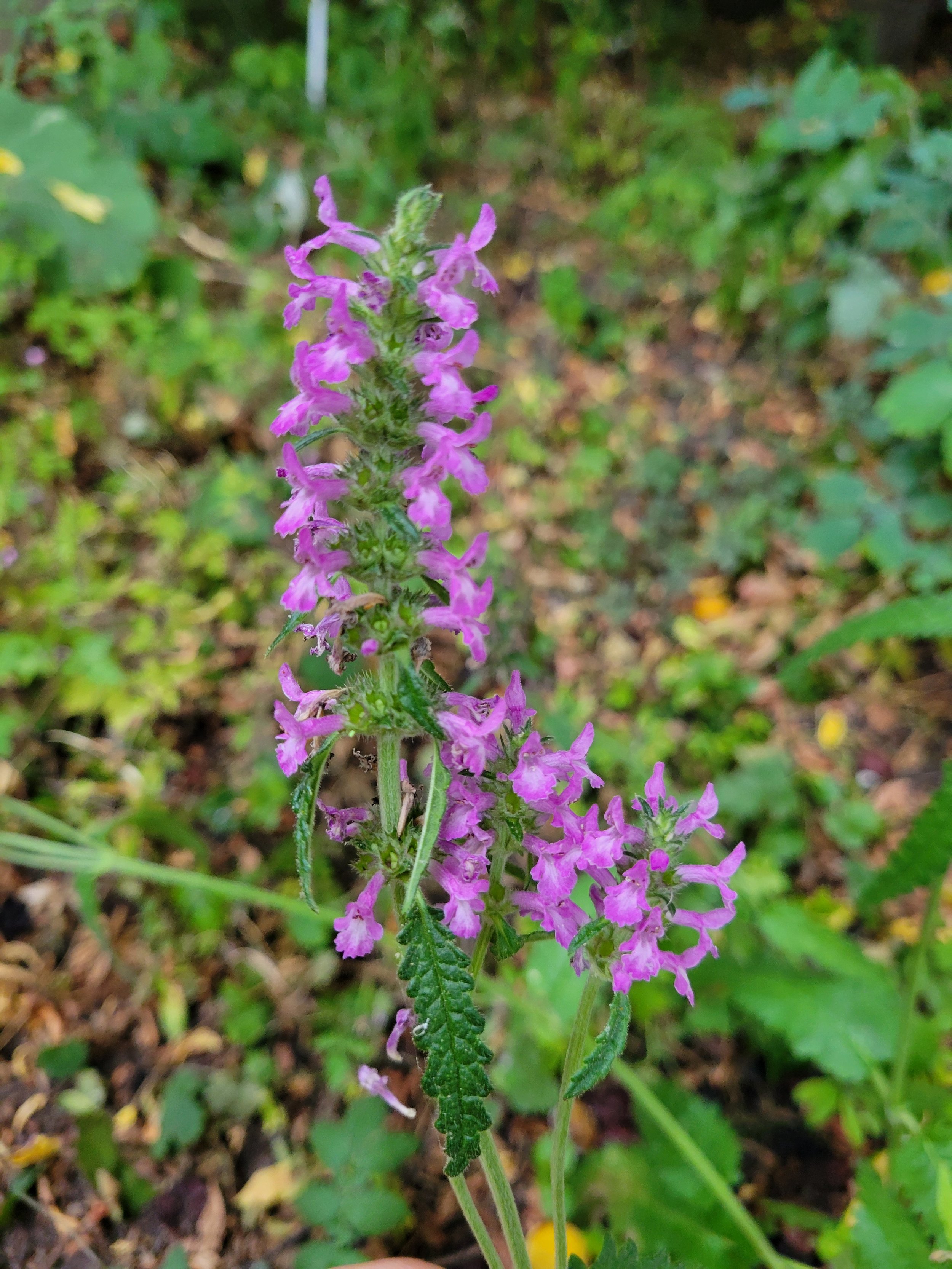
Wood Betony, my garden, Bristol, August 2026
A final herb to send you on your way to sleepy-town: Wood Betony (Betonica officinalis)
It might sound a bit ‘woo’ but I've felt a calling recently to work with Wood Betony.
It's in the mint family, and grows in shady dappled woodland edges, with beautiful purple flowers. It tastes aromatic, mildly sweet and is known for creating a sense of the mind "opening" when drunk.
Not a usual sleep remedy. But go with me on this one.
It's traditionally used for people who are experiencing dissociative states, who need to connect the body and mind more fully - and since sleep (or lack of it) affects both the body and mind, it can be a useful ally to promote a sense of grounding, rootedness, and relaxation.
It also aids in relief from tension - especially where there are headaches, hyperactivity of the mind, or overwhelm - so for neurodivergent people, adding Betony into their main medicine mix to take daily can act as a softening remedy for where physical and emotional tension are affecting sleep.
It is also mildly sedative. It gently increases circulation to the brain, so can help with oxygenation and delivery of essential nutrients to the brain which might affect sleep. If you're someone who experiences nightmares, Betony is your friend - it's one of the only herbs that is specifically recommended for treating nightmares or terrors.

Ellen, your Neurodivergent-friendly Medical Herbalist
Getting the most out of your herbal treatment
As I often say to my patients, "throwing a herb at the wall and seeing what sticks" is not a good strategy for healing and recovery.
If you try this, don't expect brilliant results.
The groups and herbs I've gathered here are to provide an idea of the approach I might take for each type of sleep disruption, but there's often a lot more going on under the surface and treatment varies hugely by person.
Treatment will always have best results when approached from a whole-person whole-health perspective, under the care of a qualified medical herbalist.
If you want to know more about how integrated herbal medicine can support your health, I'm here.
Book a free consultation and let's talk it through. No obligation.